Columbia-Class Submarine Back on Track for 2028 Delivery
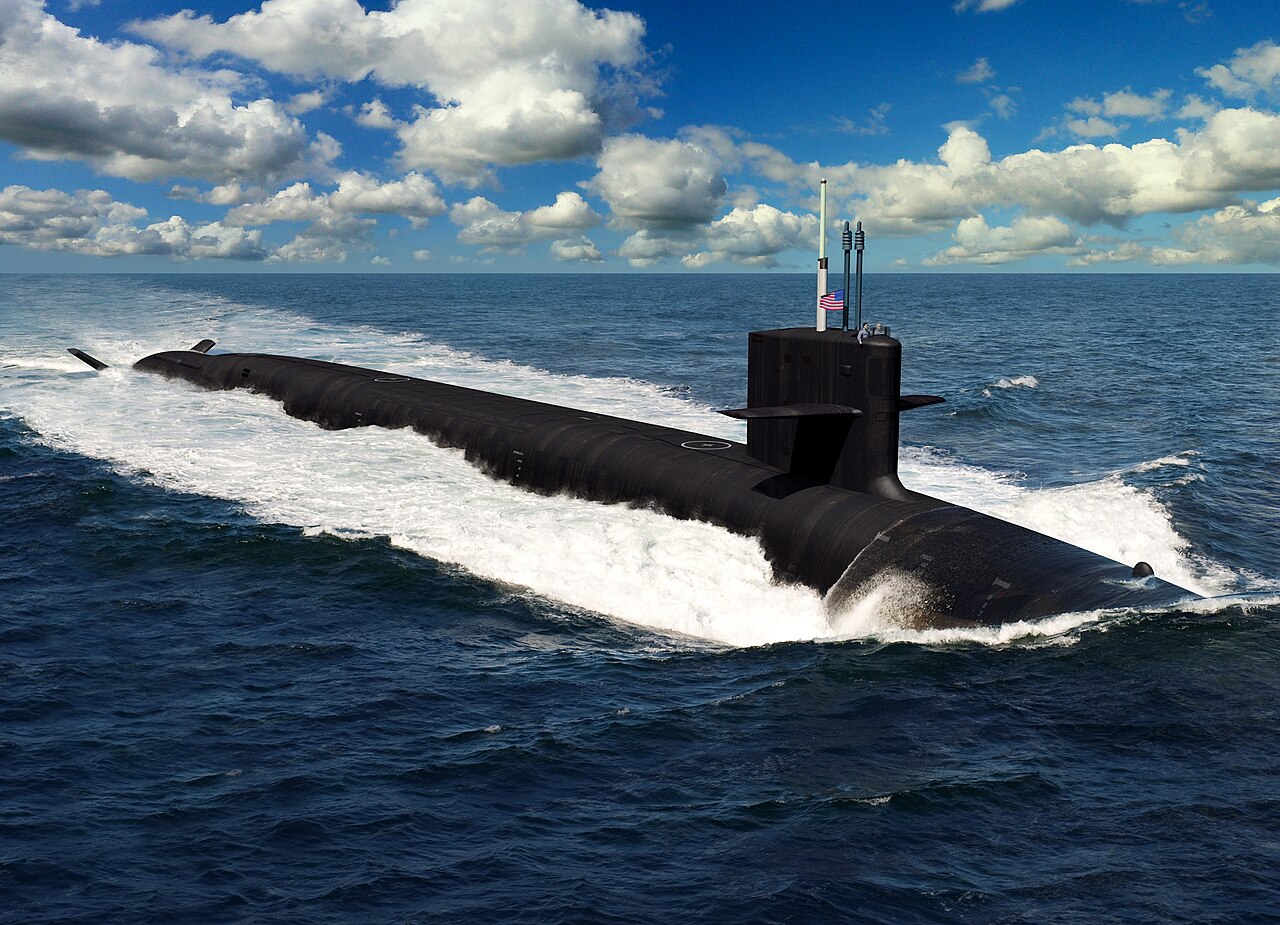
The lead Columbia-class submarine, the future USS District of Columbia (SSBN-826), is back on a path to meet its 2028 delivery target, according to the U.S. Navy official in charge of submarine programs. As recently as April this year, there were warnings that delivery could slip past 2030, but the shipyard’s weekly workload has risen to nearly 2.5 times its level at the start of the year.
Vice Adm. Rob Gaucher, who oversees the Navy’s submarine programs, described the program’s status at the annual symposium of the Naval Submarine League. The lead boat’s delivery target had already been pushed back once, from 2027 to 2028, because of construction delays, and early this year Gaucher was not confident even in the 2028 goal. Describing the situation at the time, he said, “If you simply divided the remaining work hours by the hours worked per week, the math came out to about four years.”
The program stabilized over the summer. The goal of doubling weekly output was met on July 20, after the original deadline of July 1, and output is now about 2.5 times its level at the start of the year. The measures cited by the Navy include 24-hour shifts, pay raises, shipyard facility improvements and closer schedule coordination with the shipyard and suppliers. The prime contractor is General Dynamics Electric Boat. If the reforms hold, welding of the pressure hull is expected to take place in 2027.
The Columbia class comprises 12 ballistic missile submarines (SSBNs) that will replace the Ohio class, each of which has served for about 45 years. The lead boat must arrive on time for Ohio-class retirements to begin. The submarines have a submerged displacement of about 20,800 tons, a length of 560 feet (about 171 meters) and carry 16 Trident II D5LE missiles. The lead boat costs about $15 billion to build, and follow-on boats about $10 billion each.
The remarks are notable as the first indication that shift work and pay raises have translated into actual output in U.S. submarine production, which had been held back by labor shortages. However, this is the program chief’s account, and the 2028 delivery depends on the reforms being sustained.
Related articles
- U.S. nuclear submarine production bottleneck and the test for Korean shipbuilding’s “MASGA” (in Korean)
- U.S. Navy force modernization: $2.9B Anduril contract and $6.6B to ease nuclear submarine production bottlenecks (in Korean)
- U.S. Navy next-generation attack submarine SSN(X) to become an “undersea drone mothership” (in Korean)